
Blockchain’s Impact on Player Statistics and Performance Analytics in the Sports Metaverse

Blockchain technology transforms the sports industry by providing a secure, decentralized, and transparent framework for managing player statistics and performance analytics. In the sports metaverse, where immersive experiences and virtual environments redefine engagement, blockchain ensures data integrity, accessibility, and trust, revolutionizing the way sports are analyzed and experienced. Revolutionizing the Sports Metaverse The sports metaverse combines cutting-edge technologies such as blockchain, augmented reality (AR), virtual reality (VR), and artificial intelligence (AI) to create interactive digital ecosystems for fans, players, and teams. Blockchain’s immutable ledger ensures that every interaction and data point in this virtual environment is reliable and verifiable, making it an essential component of performance analytics and player data. Decentralized Data Integrity Blockchain addresses long-standing challenges in sports data management by decentralizing data storage and ensuring its accuracy. Key benefits include: 1. Transparency and Trust: Blockchain eliminates the risks of data manipulation by recording player statistics such as accuracy, shot efficiency, and speed on an immutable ledger. 2. Data Accuracy: Performance metrics are recorded in real-time and verified through a consensus mechanism, ensuring the highest standards of accuracy. 3. Ownership and Control: Players and teams can retain ownership of their data, selectively sharing it with analysts, coaches, or platforms under secure, blockchain-based agreements. Advanced Performance Analytics Blockchain seamlessly integrates with data sources such as IoT devices, wearables, and video analytics, enabling comprehensive and reliable performance insights: • Real-time data processing: Coaches and players can access live analytics, such as sprint speed, fatigue levels, or reaction times, to make informed game adjustments. • Cross-platform data integration: Blockchain combines performance data across leagues, tournaments, and seasons, presenting a complete picture of a player’s capabilities. • Historical data integrity: Immutable records ensure analysts can rely on historical data to develop training regimens, injury prevention plans, and strategic decisions. Tokenization of Player Achievements Blockchain’s ability to tokenize data opens up new opportunities to engage fans and monetize performance statistics: • Player milestones as digital assets: Key achievements such as record-breaking goals, fastest sprints, or notable saves can be marked as non-fungible tokens (NFTs), allowing fans to own a piece of sports history. • Reward ecosystem: Blockchain-based tokens can incentivize fan engagement and active participation in virtual sports environments, offering value in the decentralized finance (DeFi) ecosystem. Immersive simulations powered by blockchain Blockchain enhances AR/VR-powered simulations by providing verified and accurate data for immersive experiences. These virtual recreations allow fans and analysts to relive iconic moments or dissect player performances in highly interactive 3D environments. For example: • In football, blockchain can replicate a player’s exact movements during a game-winning penalty kick. • In basketball, blockchain data can recreate the speed and accuracy of a crucial three-point shot, giving fans insight into the skill and technique involved. Such experiences deepen fan engagement while maintaining data authenticity. Use cases in sports The integration of blockchain into performance analytics is gaining traction in a variety of sports: • Soccer: Blockchain records and analyzes player statistics, such as passing accuracy, ball possession, and shot conversion, offering actionable insights to coaches. • Tennis: Offers an immutable record track of speed, match dynamics, and player ability, enabling accurate performance assessments. • Track and Field: Blockchain securely logs metrics such as split times, acceleration, and endurance, ensuring transparent and reliable performance comparisons. Empowering Fan Participation Blockchain democratizes access to performance analytics, enabling fans to interact with data in new ways: • Transparent data: Fans can independently verify player statistics, fostering trust and engagement. • Gamified analytics: Virtual environments can incorporate blockchain-based simulations, allowing fans to interact with algorithms to predict outcomes or analyze strategies while earning rewards. • Interactive Engagement: Fans can contribute to community-driven analytics projects or access fan experiences through a tokenized ecosystem. The Future of Blockchain in Sports Analytics The convergence of blockchain, AI, and immersive technologies will redefine sports performance analytics: 1. Predictive Insights: AI-powered models, powered by blockchain-verified data, will improve predictions for player development and injury prevention. 2. Smart Contracts: Blockchain-powered smart contracts will automate data-sharing agreements and incentivize data accuracy. 3. Global Standards: Blockchain can establish a universal protocol for recording and analyzing sports data, fostering global collaboration and standardization. How we at PixelPaddle leverage CricksLab data analytics to achieve this At PixelPaddle, we are advancing sports analytics by integrating CricksLab’s comprehensive data systems into immersive digital environments. CricksLab, a leader in sports analytics, processes millions of data points per match, capturing bowling speed, batting strike rate, and player movement speed with up to 98% accuracy. By embedding this granular data into our platform, PixelPaddle delivers simulations that authentically recreate real-world sporting scenarios, offering fans and analysts an unprecedented level of accuracy. For example, a cricket fan can virtually explore a star batsman’s century in 3D, analyzing the speed and timing of each shot based on CricksLab-verified statistics. Our integration also leverages blockchain technology to enhance data security and transparency, ensuring the integrity of key statistics. For example, a record-breaking moment such as a player scoring the fastest 100 runs in a tournament can be encoded on the blockchain, preserving its authenticity, and enabling fan engagement through replay simulations in the sports metaverse. With sports analytics estimated to be a $5 billion industry by 2028, this collaboration puts PixelPaddle at the forefront of combining cutting-edge technologies with traditional analytics to redefine the fan experience and create new avenues for sports innovation. Unlock the future of sports analytics with PixelPaddle, where blockchain innovation and CricksLab’s advanced data integration come together to redefine insights into player performance. Whether you’re a fan seeking immersive experiences, a coach analyzing critical metrics, or an organization driving the sports metaverse, our cutting-edge solutions deliver unparalleled accuracy, transparency, and engagement. J
Play-to-Earn Models in Sports: How Blockchain is Incentivizing Virtual Athletic Competition
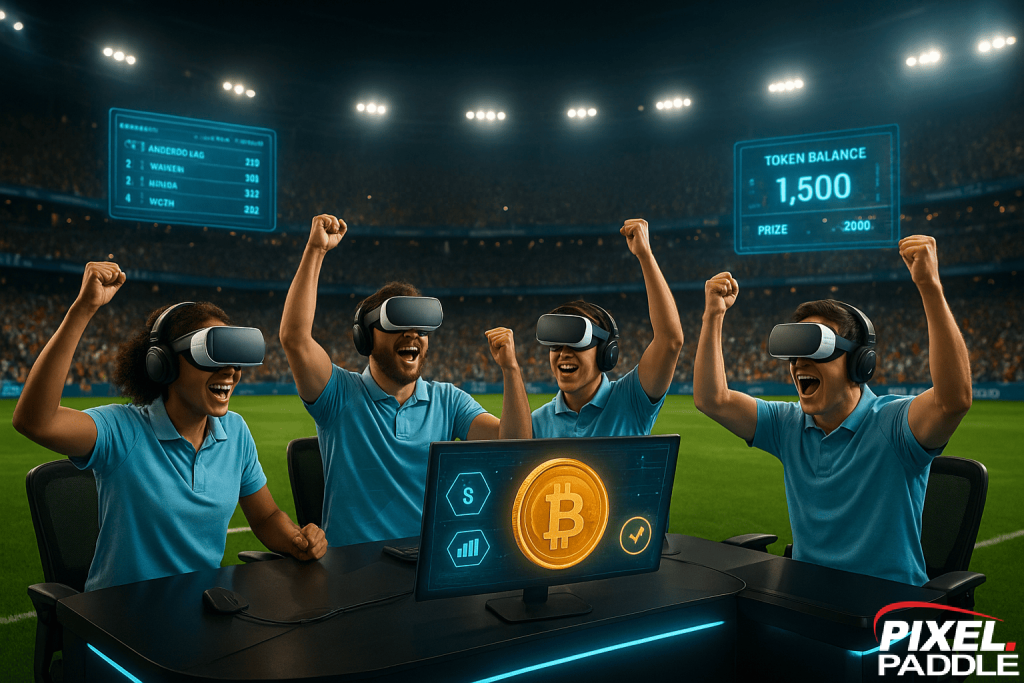
In recent years, blockchain technology has proven to be a game-changer in numerous industries, with the sports sector being no exception. Among its groundbreaking applications, play-to-earn (P2E) models have become a driving force in the evolution of virtual athletic competition. These models redefine the traditional gaming experience, offering players the opportunity to earn tangible rewards through skill, participation, and engagement in virtual sports. Combining the transparency, decentralization, and security of blockchain, P2E platforms are reshaping the future of gaming and inspiring a new generation of virtual sports enthusiasts. Understanding Play-to-Earn in the Context of Sports The play-to-earn model is a new approach to gaming, where players earn rewards such as cryptocurrency, non-fungible tokens (NFTs), or digital assets by achieving specific milestones, participating in tournaments, or excelling in gameplay. In sports-themed P2E games, these rewards often reflect real-world sports memorabilia, access to virtual stadiums, or unique athlete avatars, allowing players to benefit while immersing themselves in the virtual sports ecosystem economically. Unlike traditional gaming models, where rewards are limited to in-game benefits, blockchain-powered P2E systems enable players to monetize their efforts and retain ownership of their digital assets. Blockchain’s Role in Powering P2E Sports Models Blockchain technology is critical to the success of P2E ecosystems by providing key functions that ensure fairness, security, and transparency. These include: 1. Smart contracts Automate prize distribution and enforce gameplay rules, ensuring transparent, tamper-free operations. for example, prize pools in virtual tournaments are distributed immediately upon the fulfillment of pre-defined conditions. 2. Non-Fungible Tokens (NFTs) Represent unique, tradable in-game assets such as collectible player cards, customizable sports equipment, and virtual real estate. NFTs ensure verifiable ownership, enabling players to trade or monetize their assets across platforms. 3. Decentralized Finance (DeFi) Integration Give players the ability to share in revenue, earn interest, or access liquidity pools within the gaming ecosystem. 4. Immutable Data and Transparent Records Blockchain ensures that all transactions, rewards, and in-game achievements are securely recorded and verifiable, enhancing trust between players. 5. Cross-Platform Interoperability Digital assets can be used across multiple games and ecosystems, increasing their utility and long-term value. How Blockchain Incentivizes Virtual Athletic Competition. The Play-to-Earn model introduces several mechanisms to incentivize players and enhance the competitive landscape in virtual sports: 1. Monetary Rewards Players are rewarded with cryptocurrencies or platform tokens based on their performance in games or tournaments, providing financial incentives for their participation. 2. Ownership and Traceability Players retain ownership of their in-game assets as NFTs, which can be traded on open markets, creating additional revenue opportunities. 3. Skill-Based Incentives Competitions reward players based on their gaming skills, fostering a merit-based economy where talent is directly converted into earnings. 4. Global Access The decentralized nature of blockchain allows players from any location to participate in P2E platforms, democratizing access to competitive virtual sports. 5. Community Engagement Many P2E platforms incorporate decentralized autonomous organizations (DAOs), where players vote on game updates, policies, and ecosystem governance, fostering deeper involvement. Real-world applications of P2E in sports 1. Fantasy sports platforms Blockchain-based platforms like Sorare allow players to create virtual teams and earn rewards based on real-world sports performance. 2. Virtual sports arenas Games like ZED RUN let players compete in digital horse racing, with rewards distributed via blockchain. 3. Metaverse integration Platforms are creating immersive virtual stadiums where players and fans interact, compete, and monetize their experiences. Benefits of Play-to-Earn Models in Games 1. Empowerment through Ownership Players own their digital assets, ensuring long-term value retention and the ability to monetize their efforts outside of the gaming ecosystem. 2. Economic Inclusion P2E games create earning opportunities for players in underserved areas, bridging the gap between gaming and financial inclusion. 3. Increased Fan Engagement Fans actively participate in sports simulations connected to their favorite teams or athletes, creating a more interconnected interaction is created. Experience. 4. New revenue streams Sports organizations and developers can generate revenue through NFT sales, sponsorships, and virtual event hosting. Challenges and prospects Challenges • Regulatory compliance: Various laws related to cryptocurrency and digital assets pose challenges to global adoption. • Sustainability: The high energy consumption of some blockchain networks remains a concern, although solutions like Ethereum 2.0 are addressing these issues. • Player skill gap: It is important to balance the reward system to ensure inclusion for both casual players and professionals. Future opportunities • Integration with emerging technologies: Combining blockchain with AI, AR, and VR can create a more immersive and engaging P2E ecosystem. • Collaboration with traditional sports: Partnerships between blockchain platforms and sports leagues can introduce mainstream audiences to P2E models. • Scalability and Innovation: Advances in blockchain scalability will increase the reach and efficiency of P2E platforms. PixelPaddle’s Play-to-Earn Model PixelPaddle’s Play-to-Earn (P2E) model represents a groundbreaking approach to blockchain-powered gaming, designed to empower players through decentralized ownership and skill-based rewards. The platform integrates blockchain technology to provide a transparent and equitable ecosystem where players can earn tangible rewards such as cryptocurrencies, non-fungible tokens (NFTs), and exclusive in-game assets. By leveraging smart contracts, PixelPaddle ensures secure and automated reward distribution, eliminating the need for intermediaries and increasing trust among users. Players can own and monetize their digital assets, including custom athlete avatars, sports gear, and Meta Stadium collectibles, which can be traded on the platform. The interplay of these assets within PixelPaddle’s ecosystem adds long-term utility and value, making the P2E experience more rewarding and sustainable. At the heart of PixelPaddle’s model is its immersive Meta Stadium, a virtual sports environment where players compete in skill-based tournaments and engage with a global audience. The platform incentivizes participation through competitive play, milestones, and community-driven governance facilitated by decentralized autonomous organizations (DAOs). By incorporating the inherent transparency and scalability of blockchain, PixelPaddle fosters a democratic gaming landscape that combines entertainment with economic empowerment. With a focus on innovation, sustainability, and user engagement, PixelPaddle’s P2E model sets the standard in redefining gaming as a profitable and accessible pursuit for players around the world. Step into the future of gaming with PixelPaddle
Challenges and Opportunities in Integrating Blockchain with the Sports Metaverse
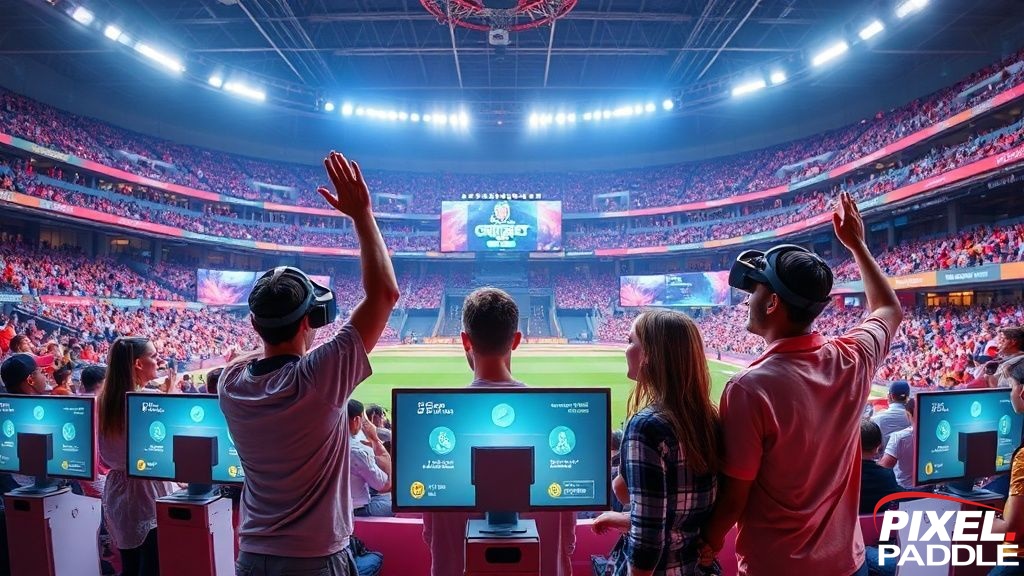
The rise of the metaverse has opened new possibilities for the sports industry. The integration of blockchain technology with the sports metaverse is positioning this digital realm as a future hub for fans, athletes, and sports organizations to connect, communicate, and engage in ways never seen before. However, like any new technology, blockchain presents both significant opportunities and considerable challenges in its adoption and integration. This article explores these opportunities and challenges while providing insights into how blockchain can transform the sports metaverse. Opportunities in Blockchain Integration 1. Increased Fan Engagement and Interaction Blockchain enables a new era of fan engagement, making sports fans more than just spectators. • Fan Tokens: Blockchain technology can empower fans with digital tokens that enable them to participate in decision-making processes, access exclusive content, and enjoy unique experiences. • Play-to-earn opportunities: Blockchain creates new, interactive fan experiences, where fans can earn rewards or digital assets by engaging with their favorite teams or players in the metaverse. This creates a more immersive and participatory fan culture. 2. New Dimensions of Digital Ownership. Through Nonfungible Tokens (NFTs), blockchain introduces a whole new concept of ownership to the digital space. • Exclusive Collectibles: Fans can own digital versions of iconic sports moments, such as game highlights or limited-edition virtual merchandise. This ownership is verified and secured by the blockchain, ensuring rarity and authenticity. • Membership and Access: NFTs can act as virtual tickets to special events, whether virtual sports games or digital meet-and-greets with athletes. These digital assets not only act as collectibles but also as gateways to experiences within the metaverse. 3. Transparency and Trust Through Blockchain Technology Blockchain’s inherent characteristics—transparency, decentralization, and immutability—can help build trust in the sports metaverse, where data integrity is critical. • Smart Contracts: Blockchain-powered smart contracts automate processes such as player contracts, sponsorship deals, and royalty payments, ensuring that they are executed transparently and promptly. • Verified Authenticity: Blockchain provides fans with an easy way to verify the authenticity of their digital purchases, such as tickets, memorabilia, and other digital assets, eliminating the risk of counterfeiting. 4. Revenue Generation for Athletes and Organizations Blockchain and the sports metaverse have introduced new revenue streams that can benefit athletes, sports organizations, and content creators. • Monetized Virtual Experiences: Sports teams and athletes can generate revenue by offering virtual events such as training sessions, private meetings, and Q&A opportunities, with transactions transacted through the blockchain. • Sponsorship and Advertising: As virtual sports events and environments proliferate, new avenues for brands to advertise will emerge. Virtual spaces, such as digital stadiums and arenas, provide opportunities for targeted marketing and sponsorship deals. 5. Global Access and Inclusion Blockchain facilitates a truly global platform, where anyone can access the metaverse and engage with sports content regardless of geographic location. • Decentralized Platforms: The decentralized nature of blockchain ensures that users can participate in sports-related events, purchase digital assets, and trade with other fans around the world, breaking down geographical barriers in the world of sports. 6. Secure Athlete Identity Management Blockchain technology can also offer improved athlete authentication, creating a secure and immutable record of an athlete’s performance, contracts, and other important information. • Digital Athlete Profiles: Blockchain can serve as a secure, transparent platform to maintain athlete profiles, reduce the possibility of fraud, and ensure accurate, verifiable athlete history. Challenges in Blockchain Integration 1. Scalability and Performance Limitations Blockchain networks, especially during periods of high demand (such as major sporting events), can face scalability challenges. • Network congestion: The need for high transaction throughput in the metaverse can lead to latency, high transaction fees, and even network outages. • Emerging solutions: Layer-2 solutions, such as sidechains and sharding, are emerging as ways to address these scalability issues, but they are still in the early stages of adoption. 2. Complex user experience and accessibility Blockchain technology can be difficult for non-technical users to navigate, which can hinder mass adoption. • Wallet setup and management: The need for users to set up wallets, securely store private keys, and understand digital token economics makes it difficult for casual fans to get involved in blockchain-powered sports metaverse experiences.Can prevent adoption. • Easy onboarding: To ensure mass adoption, blockchain platforms will need to provide more user-friendly interfaces and improve the onboarding process for both fans and players. 3. Regulatory and legal uncertainty The lack of consistent regulations regarding blockchain and digital assets creates significant uncertainty for businesses and users in the sports metaverse. Unclear legal frameworks: It is difficult to define what constitutes a fan token, NFT, or digital collectible under local laws. Different countries are adopting different standards, complicating the global adoption of blockchain solutions in the sports sector. • Taxation and compliance: Blockchain transactions involve complex taxation and compliance issues, especially with respect to digital assets, NFTs, and royalty income. Clarification of these issues is essential to build trust in the ecosystem. 4. Environmental Impact Some blockchain networks that rely on energy-intensive consensus mechanisms, such as Proof of Work (PoW), face significant environmental concerns. • Energy Consumption: Blockchain’s reliance on PoW for validation and consensus can lead to high energy consumption, raising concerns about the environmental impact of sports metaverse platforms. • Sustainable Solutions: Moving to more energy-efficient consensus mechanisms, such as Proof of Stake (PoS), and adopting greener blockchain alternatives is critical to ensuring the long-term sustainability of the blockchain. 5. Interoperability Challenges The sports metaverse spans multiple digital platforms, and interoperability remains a significant challenge. • Lack of Unified Standards: Different blockchain networks and platforms cannot communicate effectively, leading to fragmentation in the metaverse. • Cross-chain solutions: As more blockchain networks emerge, solutions that facilitate seamless interactions across platforms (such as cross-chain technologies) will be critical to creating a unified experience for users. 6. Cybersecurity concerns The increasing value of digital assets in the metaverse makes them a prime target for cyberattacks. • Data breaches: Hacks targeting digital wallets or platforms can result in the loss of assets and personal data. • Smart contract vulnerabilities:
Digital Identity and Athlete Verification: The Role of Blockchain in the Sports Metaverse
As the metaverse continues revolutionizing industries, the sports sector is emerging as one of its most dynamic domains. With virtual arenas, player interactions, and immersive fan engagement at the center of this transformation, ensuring the integrity of digital identities is essential. Blockchain technology has proven to be a cornerstone in managing digital identity and athlete verification, enabling secure, transparent, and efficient operations within this virtual ecosystem. This Article explores the challenges of digital identity and athlete verification in the sports metaverse, the transformative role of blockchain technology, and how organizations like PixelPaddle are advancing these developments. The Concept of Digital Identity in the Sports Metaverse In the physical world, an athlete’s identity is verified through tangible documents, institutional records, and public achievements. However, these traditional methods fall short in the metaverse of a decentralized and virtual space. Digital identity in the metaverse refers to a virtual representation of an individual’s personal, professional, and biometric credentials, all verified using cutting-edge technology. For Athletes, This Digital Identity Includes: Performance record: Documenting milestones, match statistics, and achievements. Contractual agreements: Ensuring transparency in sponsorships and endorsements. Biometric data: Securing authentication through advanced metrics. The proper management of digital identities is essential to enable fair competition, foster trust among stakeholders, and prevent fraud. A decentralized and immutable system is essential to effectively address these complexities, and blockchain provides exactly that. Challenges of Athlete Authentication Authentication in the sports metaverse is fraught with several challenges: Identity fraud and impersonation The decentralized nature of the metaverse allows individuals to communicate globally without physical barriers. However, this openness can lead to impersonation, where fraudulent actors exploit digital platforms to impersonate athletes. Data privacy concerns Traditional verification systems often require centralized databases, which are prone to breaches. Athletes, being high-profile individuals, are particularly vulnerable to privacy breaches. Lack of interoperability Athletes often operate across multiple metaverse platforms, creating a fragmented identity verification process. Ensuring seamless interoperability of digital identities is a key challenge. Delayed verification process Traditional, centralized verification methods are time-consuming and prone to inefficiencies, hindering real-time activity in the fast-paced sports metaverse. These challenges require a robust and decentralized framework that can provide accuracy, security, and efficiency. The Role of Blockchain in Athlete Verification and Digital Identity Management Blockchain technology offers a paradigm shift in how digital identity and athlete verification are managed in the metaverse. Its fundamental features distributed architecture, durability, and openness provide robust solutions to these challenges. Key Benefits of Blockchain in Athlete Verification Decentralized Verification Blockchain removes reliance on centralized entities, establishing a decentralized and agreement-based framework for verification. Smart contracts automate this process, ensuring that digital identities are verified in real-time and with accuracy. Immutable Credential Storage Blockchain’s ledger technology records every action or achievement of an athlete, from match statistics to sponsorship deals. These records are immutable, ensuring that credentials cannot be tampered with or changed retrospectively. Enhanced Privacy through Self-Sovereign Identity (SSI) Self-Sovereign Identity empowers athletes to maintain full ownership and control over their digital identities. Athletes can selectively reveal verified information without exposing sensitive data, ensuring compliance with privacy regulations. Cross-platform interoperability Blockchain facilitates seamless interoperability, empowering players to easily carry their verified digital identities across different platforms within the metaverse. This promotes consistency and efficiency in a decentralized ecosystem. Prevent Fraud with Cryptographic Security By leveraging advanced cryptographic techniques and zero-knowledge proofs, blockchain ensures that athlete identities are secure and resistant to impersonation. Blockchain Applications in the Sports Metaverse 1. Transparent Player Transfers and Auctions In virtual sports leagues and metaverse-based competitions, player transfers and auctions are key processes. Blockchain ensures that player profiles, performance records, and contract terms are verified and transparent, reducing disputes and ensuring fairness. 2. Authentic Fan Engagement Fans often engage with players in virtual environments, including meet-and-greets, live Q&A sessions, and virtual memorabilia signings. Blockchain-backed digital identities ensure that fans interact with authentic athlete personalities, increasing trust and engagement. 3. Secure Sponsorship and Endorsement Therefore, blockchain brands that collaborate with players offer an immutable record of credentials, ensuring that sponsorships and endorsements are linked to verified individuals. This reduces the risks associated with fraudulent representations. 4. Fair Play in Sports and Virtual Competitions Blockchain verifies player identities and transparently tracks performance data, ensuring fair play in sports. This is especially important in a competitive environment where integrity is paramount. 5. Virtual Training and Analytics Blockchain can integrate with AI and biometric technologies to provide real-time performance analytics. Verified digital identities can also include biometric data for advanced virtual training simulations. PixelPaddle’s Role in Redefining Athlete Authentication PixelPaddle is at the forefront of integrating blockchain technology into the sports metaverse. Leveraging decentralized systems, PixelPaddle creates innovative solutions that redefine digital identity and athlete verification, ensuring secure and seamless interactions for all stakeholders. Verified Athlete Profiles: PixelPaddle’s blockchain-powered platform ensures that athletes’ digital identities are authentic, transparent, and interoperable across all metaverse environments. Fan Engagement Platforms: Through verified athlete identities, PixelPaddle enables real fan interactions, fostering trust, and enhancing the overall experience. Sponsorship Solutions: Brands can confidently engage with athletes through PixelPaddle’s solutions, backed by immutable records of achievements and credentials. PixelPaddle’s commitment to blockchain innovation positions it as a leader in shaping the future of sports in the metaverse. The Road Ahead: Blockchain and the Future of Digital Identity As blockchain continues to evolve, its integration into the sports metaverse will expand beyond athlete verification and digital identity management. Emerging trends include: AI-powered analytics: Combining blockchain with AI for real-time performance monitoring and personalized training insights. Biometric integration: Augmenting digital identity with real-time health and fitness data for comprehensive athlete profiles. Decentralized governance: Using decentralized autonomous organizations (DAOs) to establish community-driven standards for digital identity verification. The sports metaverse is at the peak of unprecedented innovation, with blockchain at its core. By addressing current challenges and unlocking new opportunities, blockchain technology will enable a more transparent, efficient, and engaging ecosystem for athletes, fans, and brands. Call to Action Blockchain is not just a technological breakthrough it is a fundamental enabler of the sports
Augmented Reality Sports Events and Blockchain: Creating Real-Time, Immersive Fan Experiences
The convergence of augmented reality (AR) and blockchain technology is reshaping the way fans experience sporting events, creating immersive, interactive, and transparent ecosystems. Augmented reality enhances live sports by overlaying digital elements onto the physical environment, while blockchain ensures the authenticity, security, and decentralization of these enhancements. Together, these technologies are driving innovation, transforming passive viewers into active participants, and redefining the fan experience. This article explores the synergy between AR and blockchain in sports, highlighting how they create real-time engagement, ensure transparency, and unlock new revenue streams for stakeholders. The Rise of Augmented Reality in Sports Augmented reality has revolutionized the sports industry, giving fans the ability to interact with live events in ways that were previously unimaginable. Key applications of AR in sports include: Enhanced viewing experiences: Real-time overlays deliver live stats, player profiles, and game analytics to fans’ devices or smart glasses. Interactive fan engagement: AR-powered games and challenges allow fans to participate in events beyond traditional spectatorship. Virtual collectibles: Fans can discover and collect AR-based tokens, memorabilia, or prizes inside the stadium or at home. AR bridges the gap between the physical and digital worlds, offering fans a hybrid experience that feels more personal and engaging. Blockchain: The Backbone of Transparency and Trust These AR enhances fan engagement, blockchain serves as the backbone that ensures these experiences are trustworthy, secure, and decentralized. Blockchain’s unique properties of transparency, immutability, and decentralization address key challenges in sports AR, including: Authenticity of Digital Assets: Blockchain ensures that virtual collectibles, tickets, and rewards are verifiable through unique and non-fungible tokens (NFTs). Secure Transactions: Tokenized purchases, rewards, and in-app microtransactions are securely processed using cryptocurrencies or blockchain-based platforms. Fair Play: Smart contracts govern AR games and challenges, ensuring fairness and eliminating potential bias or manipulation. Ownership: Fans have true ownership of their digital assets, which can be traded or used across multiple platforms. The intersection of AR and blockchain in sports The fusion of AR and blockchain creates a complete experience that enhances both the entertainment and integrity of sporting events. Here’s how these technologies combine to create immersive fan experiences: 1. Tokenized fan experiences Blockchain-based tokens are integrated into AR environments to enhance fan engagement. For example: Fans can earn tokens for engaging with AR-based trivia or challenges during a live game. These tokens can be redeemed as an alternative for digital collectibles, merchandise, or exclusive content. Token rewards are stored on the blockchain, ensuring transparency and traceability 2. Immersive virtual collectibles Augmented reality enables fans to interact with NFTs in unique ways. For example: Fans visiting the stadium can use AR to discover hidden NFTs scattered throughout the venue. These NFTs could include virtual trading cards, autographs, or 3D representations of iconic moments. Blockchain ensures the uniqueness and provenance of these collectibles, allowing fans to trade or exhibit within the metaverse. 3. Enhanced Stadium Experiences AR-enabled stadiums leverage blockchain to enhance live experiences. Features include: Interactive AR displays that show real-time player stats and tactical insights. Blockchain-based ticketing systems that prevent fraud and allow for resale in secure marketplaces. Loyalty rewards for fans who participate in AR games or challenges during the event. 4. Decentralized Voting and Fan Engagement AR and blockchain empower fans to have a say in their favorite teams or events through decentralized platforms. For example: Fans can use blockchain-based voting systems to influence game day decisions, such as jersey designs or in-stadium entertainment.\ AR provides real-time visual feedback on voting results, leading to a more immersive and engaging experience. Benefits of AR and Blockchain Integration in Sports For Fans: Immersive Engagement: Fans become active participants in the event through AR-powered interactions. Ownership of Digital Assets: Blockchain ensures that fans own and control their digital collectibles, which can have real-world value. Transparency and Fairness: Blockchain eliminates concerns about authenticity and fraud, providing peace of mind. For sports organizations: New revenue streams: tokenized AR experiences NFTs create additional monetization opportunities. Global Fan Reach: AR-powered apps allow organizations to engage fans around the world, even those who are unable to attend events in person. Data Insights: Blockchain provides valuable data about fan behavior and preferences, enabling targeted marketing. For Sponsors and Advertisers: Innovative Branding Opportunities: AR-powered ads and interactive experiences capture attention in dynamic ways. Improved ROI: Blockchain tracks user engagement with sponsored AR content, providing clear metrics for success. Personalized Experiences: AR and blockchain enable tailored ads based on user preferences. Overcoming Challenges in AR and Blockchain Integration Despite its potential, combining AR and blockchain in sports presents challenges: Technical Complexity: Developing seamless AR experiences that integrate blockchain requires advanced technical expertise. High Cost: Deploying AR infrastructure and blockchain platforms can be resource intensive. User Education: Fans may need guidance to understand and adopt blockchain-based AR experiences. To address these issues, platforms are focusing on user-friendly interfaces, low-cost solutions, and educational initiatives for on-board fans. The Future of Sports with AR and Blockchain The combination of AR and blockchain is poised to further revolutionize the sports industry, with emerging trends including: Metaverse Integration: AR and blockchain will play a key role in creating metaverse-based sports environments, offering virtual stadiums, digital fan zones, and interactive events. AI-powered Augmentation: Artificial intelligence will enhance AR experiences and blockchain analytics, creating more personalized interactions. Sustainability Initiatives: Blockchain can ensure environmentally friendly practices by tracking and reducing the carbon footprint of AR-based events. Conclusion: PixelPaddle’s Vision for Immersive Sports Experiences PixelPaddle is leading the way in leveraging AR and blockchain to revolutionize sports engagement. Through our proprietary Pitch NFT model, we offer fans unique opportunities to interact with live events, earn tokenized rewards, and own immersive digital assets. Our platform combines the best of AR interactions with the transparency of blockchain, creating a safe, engaging, and equitable ecosystem for sports enthusiasts.
Fantasy Sports in the Metaverse: How Blockchain Enables Transparent and Secure Gaming
The fantasy sports landscape has undergone a profound transformation, transforming from simple digital leagues into a vibrant sector poised for significant innovation. With the convergence of metaverse and blockchain technology, fantasy sports are entering an era characterized by immersive experiences, transparent mechanisms, and secure platforms. This new paradigm addresses long-standing challenges in the industry, offering a future where user engagement and trust are paramount. This article examines how blockchain and metaverse are reshaping the fantasy sports landscape, highlighting the transformative potential of these technologies to provide transparency, fairness, and a user-centric ecosystem. The Evolution of Fantasy Sports Fantasy sports have become a global phenomenon, enabling fans to create virtual teams based on real-world players and compete for prizes based on their performance. Over the years, the industry has expanded significantly, driven by digital platforms and increasing fan engagement. However, traditional fantasy sports platforms face several key challenges: 1. Transparency issues: Users often lack insight into how scores are calculated, or outcomes are determined. 2. Security risks: Centralized systems are vulnerable to hacking, data breaches, and fraudulent activities. 3. Lack of ownership: Participants do not own the digital assets used within these platforms. The integration of blockchain technology addresses these concerns by introducing a decentralized, transparent, and secure framework for fantasy sports, especially when integrated into the immersive environment of the metaverse. The Role of Blockchain in Transforming Fantasy Sports Blockchain serves as the backbone of the next-generation fantasy sports ecosystem, providing innovative solutions that elevate the user experience. Key contributions include: 1. Transparent Scoring and Immutable Records Blockchain’s distributed ledger technology ensures that all data, such as player statistics, scoring algorithms, and game results, are publicly accessible and immutable. Every action is recorded on the blockchain, allowing participants to independently verify the results and eliminating any possibility of tampering or manipulation. Smart contracts automated agreements coded in the blockchain further enhance transparency by automating the enforcement of laws without the need for human intervention. 2. Tokenized Economies and Rewards Blockchain facilitates the tokenization of rewards, enabling participants to earn digital tokens for their achievements. Additionally, non-fungible tokens (NFTs) are redefining the concept of ownership in fantasy sports. Unique NFTs representing players, teams, or memorabilia can be bought, sold, and traded, providing participants with tangible value and a sense of personal investment. 3. Enhanced Security and User Control Blockchain technology decentralizes data storage, reducing the risk of cyberattacks or unauthorized access. Users maintain full control of their accounts, data, and assets, ensuring a secure environment for gaming and transactions. 4. Decentralized Governance Many blockchain-powered platforms operate through decentralized governance models, where users hold voting rights via tokens. This democratic approach allows participants to influence platform policies, ensure alignment with user preferences, and foster a sense of community ownership. Fantasy Sports in the Metaverse: A New Era of Immersive Gaming The Metaverse brings fantasy sports to life in extraordinary ways, creating an environment where users can interact with their teams, engage in live events, and immerse themselves in a virtual world. The Metaverse offers: 1. Immersive Virtual Stadium Participants can organize their fantasy teams in a virtual stadium, where games are simulated in real-time, complete with live commentary, 3D visuals, and interactive experiences. This level of immersion replicates the thrill of live sports while increasing user engagement. 2. Social Interaction and Community Building Fantasy sports in the metaverse foster strong connections between participants through social features such as virtual meetups, discussion forums, and collaborative events. These features transform gaming into a shared and interactive experience. 3. Cross-platform interoperability Assets such as NFTs and tokens acquired on one platform can often be used on other platforms within the metaverse. This interoperability increases the value of digital assets, allowing users to leverage their investments in diverse ways. Benefits of Blockchain-powered Fantasy Sports Blockchain technology offers substantial benefits for all stakeholders involved in fantasy sports: For users: Transparency: Immutable records ensure fairness and eliminate disputes. • Ownership: NFTs provide users with true ownership of their digital assets. • Monetization opportunities: Users can trade tokens and NFTs for real-world value. For platform operators: • User trust: Transparency builds long-term loyalty among participants. • Scalable solutions: Blockchain infrastructure can efficiently accommodate growing user bases. For sponsors and brands: • Enhanced engagement: Immersive experiences provide new ways to connect with audiences. • Innovative marketing: Tokenization and NFTs enable creative promotional campaigns. • Rich data insights: Blockchain allows for detailed analytics on user behavior and preferences. Challenges to Adoption Despite its transformative potential, blockchain-based fantasy sports face several hurdles that must be overcome: • Regulatory uncertainty: The legal landscape for blockchain and gaming is still evolving, requiring platforms to navigate complex compliance frameworks. • Scalability issues: High transaction volumes on blockchain networks can impact performance, although developments such as Layer 2 solutions are mitigating these concerns. User awareness: Many potential participants are unfamiliar with blockchain technology, which requires educational efforts to ensure adoption. The Future of Fantasy Sports in the Metaverse As technology advances, some trends are expected to shape the industry 1. Decentralized Autonomous Organizations (DAOs): Community-led governance models will empower users to shape platform policies and developments. 2. Advanced AI Integration: AI-powered analytics will improve player predictions and strategy formulation. 3. Increased Gamification: Platforms will integrate more interactive elements, such as quests and achievements, to increase engagement. PixelPaddle: Leading the Way in Fantasy Sports Innovation At the forefront of this revolution, PixelPaddle combines blockchain technology and the metaverse to redefine fantasy sports. Committed to transparency, security, and user empowerment, PixelPaddle offers participants unparalleled experiences in the virtual sports ecosystem. Key features include: • Tokenized Rewards: Earn tradable tokens for in-game achievements. • Exclusive NFTs: Own and trade unique player cards and collectibles. • Immersive Gameplay: Engage with fantasy sports in an interactive, 3D environment. PixelPaddle’s vision goes beyond gaming, fostering a community where users are not only participants but also co-creators of an evolving ecosystem. Conclusion: A Transparent, Secure, and Immersive Future Fantasy sports in the metaverse represent a transformation, combining the trustworthiness of blockchain and
Fan Loyalty Programs in the Sports Metaverse: Redefining Engagement Through Tokenization
Fan Loyalty Programs in the Sports Metaverse: Redefining Engagement Through Tokenization The sports industry has undergone a massive transformation with the advent of blockchain technology, redefining the way teams, sponsors, and fans interact. One of the most significant changes is the introduction of fan loyalty programs into the sports metaverse, powered by tokenization. This innovative approach has ushered in a new fan engagement era, offering benefits far beyond traditional loyalty systems. By integrating digital assets, such as fan tokens and non-fungible tokens (NFTs), these tokenized loyalty programs allow fans to participate, trade, and gain value in a team’s ecosystem. The concept of fan loyalty has traditionally been associated with tangible rewards such as merchandise, tickets, and event access. However, the digital transformation brought about by blockchain technology has enabled sports organizations to offer fans far more dynamic, personalized, and immersive experiences. In this article, we’ll explore how tokenization is reshaping fan loyalty programs, the role of the sports metaverse in this evolution, and how platforms like PixelPaddle are paving the way for a more engaging and interactive fan experience. The Evolution of Fan Loyalty Programs in the Sports Industry For years, sports teams and organizations have relied on traditional methods to engage their fans. Traditional loyalty programs often include discounts, early ticket access, exclusive merchandise, and meet-and-greets with players. These rewards are typically tied to a member’s spending or attendance history, incentivizing fans to engage with their teams in the physical world. However, as digital technology has advanced, fan expectations have changed. Fans have begun to seek out more personalized and interactive experiences that go beyond simple transactional relationships. Traditional methods of fan engagement, while effective lacked the flexibility, transparency, and cross-platform compatibility that the new era of digital interaction demanded. As such, sports teams began exploring blockchain technology to introduce tokenized fan loyalty programs that could deliver value in a decentralized, transparent, and actionable environment. In the metaverse, where the virtual world and digital experiences intersect, the application of tokenization allows for the creation of personalized ecosystems that bring fans closer to the action. The sports metaverse not only enables engagement with the game but also offers ownership of digital assets, creating a sense of connection and shared experience between fans and teams. Tokenization: The Foundation of Modern Fan Loyalty Programs At the heart of these innovative fan loyalty programs is tokenization, the process of converting real-world or digital assets into blockchain-based tokens. These tokens represent value and are stored on a decentralized ledger, which guarantees transparency, security, and ownership. Tokenization facilitates several opportunities that fundamentally change the way fans interact with their favorite sports teams and events. Here are some key elements of how tokenization is used in fan loyalty programs: 1. Fan Tokens: Enhancing Fan Engagement and Ownership Fan Tokens are digital assets that give holders access to unique privileges such as voting rights on team decisions, access to exclusive content, and priority ticketing. These tokens empower fans to do more than just be spectators — they are invited to participate in the decision-making process and engage with their teams in meaningful ways. PixelPaddle, an industry leader in sports metaverse engagement, uses fan tokens to allow fans to participate in virtual events, access exclusive player and team content, and influence key decisions like uniform design or event programming. Fan tokens enable teams to build deeper relationships with their supporters, encouraging loyalty and offering fans a sense of ownership and participation in their team’s success. 2. NFTs: A New Era of Digital Collectibles Non-fungible tokens (NFTs) have revolutionized the way fans collect and interact with digital assets. Unlike traditional collectibles, NFTs are unique digital assets that are verified on the blockchain, ensuring their authenticity and rarity. In the context of fan loyalty programs, NFTs can represent a wide array of digital memorabilia, from iconic match highlights to digital versions of player autographs. What sets NFTs apart from traditional collectibles is their added utility. In PixelPaddle’s ecosystem, NFTs not only provide ownership of a rare piece of memorabilia, but also access to special in-game events, VIP experiences, or exclusive merchandise. This added functionality ensures that the value of NFTs extends beyond just being collectible to fans. It’s easy to actively engage in the metaverse and support long-term fan loyalty. 3. Interoperability across platforms Tokenized Live The most compelling benefit of Litecoin programs is their interoperability. Because blockchain-based tokens are not limited to a single platform, fans can use their tokens across multiple environments and applications within the sports metaverse. For example, a fan attending a virtual event on PixelPaddle’s Meta Stadium can earn tokens that are eligible for digital merchandise, exclusive rewards, or even access to virtual meet-and-greets with players on other platforms. This seamless experience across different ecosystems increases the value of fan tokens and NFTs, making them highly desirable to fans who are not only looking for digital memorabilia but also for practical and beneficial uses for their tokens. 4. Fractional Ownership and Shared Experiences Another modern application of tokenization is fractional ownership, where fans can own shares of virtual assets, such as digital stadiums, team memorabilia, or player contracts. This unique feature allows fans to become part owners of virtual sports assets, making them more engaged and invested in the success of the teams they support. In PixelPaddle’s model, fans can purchase tokenized shares of virtual assets within the platform’s Meta Stadium or even invest in fractional ownership of digital merchandise. This democratizes access to previously exclusive sports assets, giving fans a stronger sense of ownership and a deeper connection to the game. Benefits of Tokenized Loyalty Programs for Stakeholders The implementation of tokenized fan loyalty programs offers a wide range of benefits for various stakeholders in the sports ecosystem: 1. Fans: Personal and Financial Incentives For fans, tokenized loyalty programs provide better ownership of their fan experience. Rather than simply earning rewards, fans can trade, sell, or use their tokens and NFTs, creating new financial opportunities. These programs also provide personalization — fans can
Building Sports Stadiums in the Metaverse: Virtual Real Estate and Blockchain
As the digital and physical worlds merge, Metaverse offers a revolutionary platform to reshape industries, especially sports and entertainment. Building a virtual sports stadium in the Metaverse changes how fans experience events and opens a whole new realm of real estate, branding, fan engagement, and revenue generation opportunities. Central to this transformation is the role of blockchain technology, which powers ownership, security, and innovation functions within these virtual spaces. In this article, we explore the concept of metaverse sports stadiums, their potential impact on the sports industry, the role of virtual real estate, and how blockchain enables their functionality. This new scenario promises to redefine the fan experience, positioning virtual stadiums as dynamic centers of engagement and commerce. Virtual sports stadium concept in the metaverse A virtual sports stadium is a digital venue where fans can watch live or recorded sporting events, engage with team-branded experiences, and interact with other fans all in a fully immersive, 3D environment. It happens. These stadiums replicate the sensory excitement of physical spaces while increasing accessibility and interaction. Fans worldwide can attend games, enjoy unique perspectives, and engage in activities beyond what is possible in a traditional stadium. By investing in virtual stadiums, sports teams, and leagues can expand their reach globally, allowing fans to experience games and events in real-time without geographic boundaries. These virtual spaces are not mere replicas. They offer unique interactive experiences like fan meetings, interactive stats, real-time polls, and customizable avatars that deepen engagement and loyalty. Virtual Real Estate: The Foundation of Metaverse Stadium Virtual real estate is a cornerstone in building a digital stadium. The concept revolves around the purchase and ownership of digital plots of land in metaverse platforms (such as Decentral and, The Sandbox, and others). Like physical real estate, virtual land in the metaverse can be bought, sold, leased, and developed to create structures and spaces for entertainment, social interactions, and commercial activities. For sports teams, the Purchase of virtual land enables them to create branded, exclusive environments that extend their physical presence into the digital realm. Some of the main benefits include: Global fan access Virtual stadiums allow fans to attend games from anywhere, increasing the reach and accessibility of events. Fans who may never visit a physical stadium can experience the energy and excitement of live games virtually, supporting the growth and engagement of a global fan base. Custom experiences Virtual stadiums offer flexibility in design and function. Teams can customize venues with unique layouts, branded experiences, interactive features, and merchandise shops, providing engaging fan experiences that blend team culture and values. Increase in income stream Just as physical venues generate revenue from ticket sales, advertising, and concessions, virtual stadiums open new avenues for monetization. Digital ticketing, special event passes, virtual merchandise, and premium fan experiences create a diversified revenue stream that complements traditional sources of revenue. Blockchain’s role in the virtual stadium Blockchain technology plays an important role in making virtual stadiums functional, secure, and accessible. Blockchain integration brings several benefits to metaverse-based sports stadiums: Ownership and Security with NFTs In virtual real estate, NFTs (Non-Fungible Tokens) play an important role in establishing ownership rights for both land and assets within the metaverse. When fans buy tickets, memorabilia, or even digital seats inside a stadium, NFTs can serve as certificates of ownership that are securely recorded on the blockchain. It guarantees that each digital asset is unique, verifiable, and unforgeable. Tokenization for fan participation Blockchain enables teams to issue digital tokens that can represent partial ownership or stakes in stadium-related assets. Fans holding these tokens may receive special access to events, voting rights on stadium features, or discounts on merchandise. Tokenization adds an interactive layer where fans feel more involved in the team’s virtual presence. Smart contracts for automated transactions Smart contracts automated contracts with code-based terms automated payments, ticketing, and other processes inside the virtual stadium. For example, smart contracts can instantly transfer NFT tickets to fans upon purchase, or they can smooth the proceeds from the sale of virtual merchandise to both buyers and sellers based on pre-defined terms. Experience can be shared ensuring. Improved transparency and fan trust By recording transactions on a public ledger, blockchain technology sells tickets, and merchandise Ensures transparency in ownership and fan participation. This transparency builds trust, as fans know that their contributions have been adequately acknowledged and that their digital assets are safe and authentic. Potential Benefits of Metaverse Stadium for Teams and Fans Income opportunities for teams Virtual stadiums create new revenue streams, from ticket sales to virtual events and special experiences to in-stadium advertising and partnerships with brands seeking visibility in the digital environment. Additionally, teams can sell virtual memorabilia, such as NFTs that represent iconic game moments, which fans can collect, trade, or display in personal virtual spaces. Better engagement and fan interaction A virtual stadium enables teams to engage with fans on a deeper level. Fans can customize their avatar, participate in pre-game events, engage in post-game Q&A sessions, and network with other fans in ways that are Impossible in a physical stadium. These activities create a sense of community and loyalty, encouraging fans to return for future events. Environmental sustainability Hosting events in virtual stadiums significantly reduces the carbon footprint associated with physical stadiums. With digital platforms, fans don’t need to travel, nor do teams need the resources to operate large physical venues for each game. This is consistent with sustainability goals and demonstrates a commitment to reducing the environmental impact of sports entertainment. Data collection and analytics Virtual environments provide opportunities to gather in-depth data about fan behavior and preferences. Analytics collected inside the virtual stadium can inform marketing strategies, engagement methods, and event personalization, allowing teams to understand and meet fan needs in real time. Challenges for creating a virtual stadium While the potential for virtual stadiums is huge, teams must navigate some challenges to make the concept viable: High initial investment Building a virtual stadium requires significant investment in Metaverse Land, design, and technology
Smart Contracts in the Sports Metaverse: Enabling Trust and Transparency in Player Contracts and Sponsorships
Introducing Smart Contracts to the Sports Metaverse The rapid evolution of the sports metaverse, where virtual worlds intertwine real-world sports, has led to ground-breaking changes in the way teams, players, and fans engage. One of the key drivers of this change is smart contracts that self-enforce digital agreements built on blockchain technology. In the sports metaverse, smart contracts offer unprecedented opportunities to increase trust and transparency, particularly in areas such as player contracts and sponsorship deals. This article explores how smart contracts are redefining sports partnerships, facilitating secure and efficient transactions that reinforce integrity and accountability in a virtual sports economy. What are smart contracts? Deployed on blockchain networks, these agreements ensure immutability, transparency, and security, as they are decentralized and cannot be changed once created. In short, smart contracts transform traditional contracts into digital, self-enforcing documents, where stakeholders rely on technology instead of relying solely on personal or organizational assurances. The role of smart contracts in Athlete Agreement In the traditional sports industry, player contracts are complex documents that involve legal teams, agents, and regulatory bodies to protect the interests of both players and teams. In the metaverse, smart contracts streamline and secure this process by encoding terms and conditions directly into the blockchain. Here’s how they achieve it: 1. Automated compensation and bonuses: Smart contracts can handle complex payment structures, such as salary, performance-based bonuses, and incentives. By embedding specific conditions such as goals scored, assists made, or wins scored smart contracts automatically trigger payments upon the achievement of these milestones. This real-time execution reduces administrative overhead and minimizes reimbursement disputes. 2. Minimized Risks of Disputes: Since the terms of the contract are transparent and immutable, misunderstandings regarding the clauses are reduced. All parties involved have access to a single, unaltered version of the contract, which promotes clarity and trust. Additionally, smart contracts prevent unauthorized changes, ensuring that the contract remains reliable over time. 3. Player autonomy and transparency: Blockchain-based contracts empower players by offering them greater control over the data and terms of their contracts. In many cases, athletes retain access to their digital profiles and achievements, which remain on the blockchain even when changing teams or sponsors. This decentralized approach increases transparency and promotes player autonomy within the Sports Metaverse ecosystem. Impact on sponsorship deals Sponsorships are important revenue streams for athletes, teams, and sports organizations, especially in the metaverse, where branding and advertising take on unique dimensions. In this environment, smart contracts enhance sponsorship in several ways: 1. Real-time metrics and compensation: Brands and sponsors in the sports metaverse increasingly rely on real-time engagement metrics, such as the number of views, interactions, and fan engagement at virtual events. Smart contracts allow sponsors to specify these metrics as terms of the contract, ensuring that payouts are automatically adjusted based on actual engagement rates. This real-time, data-driven approach increases transparency in sponsorship payments and aligns compensation with the value delivered. 2. Clear ownership and revenue sharing: Sponsorship agreements in the metaverse often involve digital assets such as NFTs (non-fungible tokens), branded virtual space, or exclusive in-game items. Smart contracts ensure that revenue-sharing arrangements between sponsors, athletes, and teams are transparent and automatically executed on every transaction. This guarantees that each stakeholder will receive their rightful share, reducing the risk of payment discrepancies. 3. Long-term partnerships with decentralized control: Smart contracts allow brands and players to set flexible terms for multi-event partnerships. This structure facilitates long-lasting relationships while maintaining decentralized control. For example, a brand sponsoring a player in the metaverse can set terms for different seasons or virtual tournaments, with each new phase initiated by a smart contract, allowing for repeated negotiations and agreements. The need for renewal is reduced. Building trust through transparency and decentralization Trust is paramount in the sports industry, especially when it comes to athlete welfare and the integrity of sponsorships. Smart contracts enhance trust through the transparency and security of blockchain technology, as all contract terms and execution logs are visible on a decentralized ledger accessible to interested parties. • Public Auditability: Since blockchain data is publicly auditable, Sponsors, fans, and other stakeholders can verify player signatures or contract terms and transactions associated with sponsorships. This transparency assures all concerned parties that terms are fair, and obligations are being honored. • Elimination of third-party dependencies: Smart contracts operate without the need for third-party intermediaries, reducing both costs and the risk of manipulation. This peer-to-peer structure ensures that all transactions and contract execution are automated and according to predefined rules, promoting a safer and more direct gaming ecosystem. Benefits for fans and the wider sports metaverse community The integration of smart contracts extends beyond athletes and sponsors, benefiting the entire metaverse ecosystem of sports. For example, fans gain new opportunities to participate in the sports economy. Smart contracts facilitate fair ticketing systems for virtual sporting events, transparent revenue-sharing models, and even fan engagement rewards, where fans earn tokens based on their interactions with the team’s digital assets. Additionally, smart contracts can support fan-based investment platforms, where fans can become partial stakeholders in virtual sports teams or events. It increases fan loyalty and democratizes access to sports investment, creating a vibrant community where fans feel connected and financially invested in the sports metaverse. Potential Challenges and Future Outlook The code-dependent nature of smart contracts requires that every possible scenario be accounted for to prevent conflicts or exploitation. Misconfigured conditions or flaws in the code can lead to unintended consequences, making it necessary to conduct thorough audits and testing. Looking ahead, the sports metaverse will likely continue to embrace blockchain and smart contracts, with advances in AI-powered contract verification, automated analytics, and more sophisticated decentralized platforms. As technology evolves, smart contracts could become the gold standard in sports contracts, making transactions more fair, transparent, and secure. Discuss how PixelPaddle Smart Contracts are used to build user or fan trust PixelPaddle uses smart contracts in its sports metaverse to create an environment where trust and transparency are paramount, especially regarding player contracts and sponsorship deals.
PixelPaddle Innovates with VR and SaaS for the Future of Sports Engagement

As part of its mission to revolutionize sports engagement, PixelPaddle is scaling up its technology stack to create a seamless, immersive experience for sports fans, athletes, and business clients. The company is making significant strides in leveraging advanced technologies, including Virtual Reality (VR) and SaaS, to redefine how users interact with sports and how businesses can harness the power of its platform. Elevating Sports Engagement Through VR PixelPaddle has integrated Quest 3-based VR technology into its offerings, introducing an engaging and realistic experience for cricket enthusiasts. In the first iteration, users can immerse themselves in cricket scenarios that go beyond mere gameplay. Key features include: Wicketkeeping, Batting, and Bowling Simulations: These single- and multiplayer scenarios offer lifelike cricket gameplay, enabling users to test their skills in a virtual environment. 360-Degree Ground Views: Fans can explore a virtual cricket ground with dynamic views, creating a sense of being right in the heart of the action. Phygital Exchange in Real Play: A unique feature allowing the exchange of physical-digital (Phygital) assets, combining the tangibility of physical collectibles with the innovation of digital experiences. This VR integration is a significant step in enhancing fan engagement, enabling users to experience cricket like never before. Introducing Mini-Games and Proprietary PitchNFTs In addition to the core VR features, PixelPaddle has launched five unique mini-games, each designed to entertain and challenge users. These mini-games are powered by PitchNFTs, a proprietary data innovation exclusive to PixelPaddle. By combining gameplay with copyright-protected PitchNFT data, the company provides a distinct and secure experience that ensures authenticity and creativity. Driving SaaS Solutions for B2B Clients PixelPaddle’s vision extends beyond individual users to offer Software-as-a-Service (SaaS) solutions for B2B clients. By integrating advanced data analytics, user engagement tools, and VR experiences, the platform enables businesses to: Enhance Customer Engagement: Utilize interactive sports scenarios to connect with audiences. Leverage Analytics: Access detailed insights from user interactions and PitchNFT data for better decision-making. Create Unique Offerings: Offer proprietary digital experiences to their customers, backed by PixelPaddle’s secure technology stack. Shaping the Future of Sports Technology PixelPaddle’s innovative use of VR, Phygitals, and SaaS showcases its commitment to staying ahead in the evolving sports technology landscape. The introduction of Quest 3 VR experiences, combined with mini-games and PitchNFTs, positions the platform as a pioneer in delivering immersive and data-driven solutions for fans and businesses alike. As PixelPaddle continues to innovate, it is setting a new benchmark for how technology can transform the way we engage with sports. Whether you’re a fan looking for a virtual cricket experience or a business seeking cutting-edge SaaS solutions, PixelPaddle is leading the way into the future of sports engagement.