
Empowering Canada’s Future: PixelPaddle Supporting STEM & Youth Entrepreneurship at the Grassroots Level
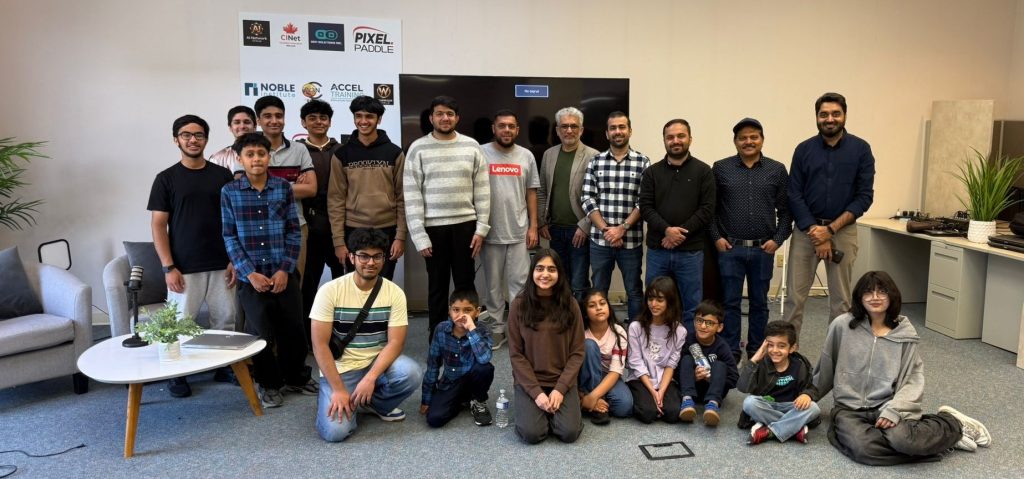
As part of our ongoing commitment to community impact and future-focused innovation, PixelPaddle proudly supports initiatives that bring STEM education, entrepreneurship, and practical skill development to the grassroots level across Canada. One such impactful initiative recently took place in Delta, British Columbia, where the NOBLE Institute for Entrepreneurship, Innovation & Small Business in Canada (NIEIC), together with the Canadian Innovation Network (CINet) and RoboNova, hosted a Youth Entrepreneurship & STEM Program designed to inspire and equip youth with future-ready skills. The event welcomed parents and youth from the local community to explore hands-on learning experiences in: A key contributor to the initiative was Meer Anwar, who has been actively advising and supporting Noble Institute’s STEM training, youth skill development, and entrepreneurship initiatives. Serving as both an advisor and speaker, Meer engaged with youth participants to discuss career planning, technology trends, innovation pathways, and the importance of entrepreneurial thinking in today’s rapidly evolving world. The event was not only focused on youth learning but also on building stronger community collaboration. While students participated in robotics and STEM activities, meaningful discussions were held with parents around entrepreneurship, startups, innovation, leadership, and how organizations can collectively strengthen initiatives aligned with the mission of NIEIC. The event also highlighted an important national conversation around Canada’s future competitiveness. Youth unemployment, lack of practical exposure, and limited entrepreneurial opportunities continue to be challenges that require action—not just discussion. Organizations across sectors must work together to create pathways that help youth innovate, solve problems, launch businesses, and contribute meaningfully to society. Canada needs:✔ Builders✔ Innovators✔ Entrepreneurs✔ Visionary Leaders At PixelPaddle, our commitment remains focused on supporting: As these initiatives continue to expand across Canada, PixelPaddle looks forward to contributing toward a stronger innovation ecosystem that empowers youth and helps shape a more prosperous future for communities nationwide.
Shaping the Future of Work: Why Diverse Talent is Canada’s Greatest Tech Advantage

The conversation around the future of work in Canada is evolving rapidly, and the voices leading that dialogue are more important than ever. Recently, the Future Works Canada Tour and the IECC Network highlighted some incredible employer perspectives on what it takes to build resilient, forward-thinking teams. In particular, the interview of CEO PixelPaddle, Meer Anwar was hightlighted and shared by number of organization such as WILL Employment Solutions, WorkForce Collective, IEC-BC, etc. supporting young entrepreneurs, new comers and local talent. https://www.linkedin.com/posts/workforcecollective_ieccnetwork-futureworkscanadatour-employervoices-activity-7445116723013304320-BCoz?utm_source=share&utm_medium=member_desktop&rcm=ACoAAAIDPRcBqUj1qFfKP7lmhCmZpYczqaXtSuY At PixelPaddle, this conversation resonates deeply with our core values. Building an AI-powered, blockchain-enabled Sports Metaverse isn’t just about pioneering new software—it’s about the people behind the code. As a company driven by the experiences of an immigrant entrepreneur and mentor in the tech sector, we know firsthand that true innovation happens when diverse perspectives are given a seat at the table. The Innovation Advantage The technology landscape is shifting at breakneck speed. From the integration of AI in everyday business to the expansion of Web3 and virtual reality, the skills required for tomorrow’s jobs are constantly changing. The insights shared in the recent Future Works initiative reinforce a vital truth: embracing immigrant talent and diverse workforces is not just a community initiative; it is a strategic business imperative. Diverse teams bring unique problem-solving approaches, global market insights, and the agility needed to scale digital products effectively. https://www.linkedin.com/posts/employernavigator-immigrationmatters-metropolisidentities2025-ugcPost-7389630211983777792-806R/?utm_source=share&utm_medium=member_desktop&rcm=ACoAAAIDPRcBqUj1qFfKP7lmhCmZpYczqaXtSuY Building a Phygital and Inclusive Future Whether we are mentoring the next generation of tech leaders, collaborating on digital upskilling programs, or developing immersive virtual environments, our goal remains the same. We must ensure that the digital economy is accessible to all. The future of work in Canada relies on our collective ability to bridge the gap between emerging technologies and the talented individuals eager to build them. The journey toward a more inclusive and innovative tech ecosystem continues, and at PixelPaddle, we are proud to be part of the movement.
PixelPaddle Supporting the Next Generation of Entrepreneurs Through Industry–Academia Collaboration
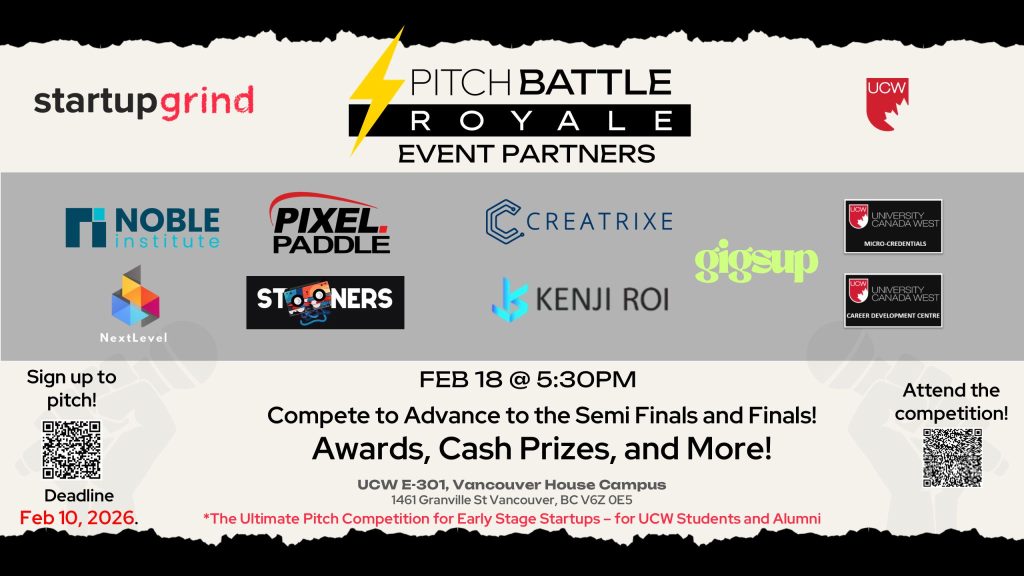
At PixelPaddle, we strongly believe that innovation thrives when academia and industry work together with a shared purpose. While PixelPaddle itself continues to grow as a startup within Canada’s innovation ecosystem, we recognize the importance of creating meaningful pathways for students, young entrepreneurs, and emerging founders to collaborate closely with industry leaders and gain exposure to real-world challenges and opportunities. Strong industry–academia linkages are essential for empowering youth to transform ideas into impactful solutions that benefit communities and industries alike. Through mentorship, collaboration, technology support, and ecosystem engagement, startups and businesses can play a critical role in helping students bridge the gap between classroom learning and practical innovation. With this vision in mind, PixelPaddle proudly joined hands with University Canada West and Startup Grind to support emerging entrepreneurs participating in the Startup Grind UCW Pitch Battle Royale. Encouraging Young Entrepreneurs to Dream Bigger Responding to the call from University Canada West and Startup Grind, PixelPaddle CEO Meer Anwar actively engaged industry partners to come together and support promising student-led ventures and innovative ideas emerging from the university ecosystem. The initiative became a strong example of ecosystem collaboration, where startups, mentors, technology companies, and business leaders united to encourage youth entrepreneurship and help founders take their ideas to the next level. Together with ecosystem partners including Noble Institute, Creatrixe, Stooners, Kenji ROI, and Kaprix Consulting the participating organizations collectively extended support valued at more than CAD 30,000. The support included: This collaborative effort demonstrated how startup ecosystems can create real value for young entrepreneurs by offering more than just encouragement—providing practical resources and opportunities that can accelerate growth and innovation. Celebrating the Winners and Participants PixelPaddle proudly congratulates the winners of the Startup Grind UCW Pitch Battle Royale: Their innovative ideas, strong presentations, and thoughtful engagement with judges reflected the growing entrepreneurial spirit emerging from Canada’s academic institutions. The competition not only celebrated innovation but also provided participants with valuable exposure, constructive feedback, and opportunities to compete at the global level. Building a Stronger Innovation Ecosystem Together PixelPaddle extends sincere appreciation to the faculty, judges, mentors, partners, organizers, and volunteers who contributed to making the event a success. Initiatives like these highlight the importance of collaborative ecosystem-building and demonstrate how academia, startups, and industry can work together to nurture future innovators. As PixelPaddle continues its journey within Canada’s startup ecosystem, we remain committed to: The future of innovation depends on empowering the next generation—and meaningful collaboration is where that journey begins.
PixelPaddle Explores the Future of AR/VR Innovation at BUILDEX Vancouver

PixelPaddle recently attended BUILDEX Vancouver, Western Canada’s leading forum for the building, construction, design, and real estate industries, held at the Vancouver Convention Centre. Bringing together more than 8,000 industry professionals, 340+ exhibitors, and 200+ expert speakers, the conference has become one of the region’s most important platforms for discovering emerging technologies and transformative industry solutions. For PixelPaddle, attending BUILDEX was more than simply participating in an industry event—it was a strategic opportunity to explore how immersive technologies such as Augmented Reality (AR), Virtual Reality (VR), gamification, and AI-powered visualization can create real-world impact within the construction and allied sectors. Why BUILDEX Was Important for PixelPaddle The construction industry is actively evolving through digital transformation, with growing interest in technologies that improve visualization, collaboration, training, planning, and stakeholder engagement. BUILDEX showcased how innovation is reshaping the built environment through AI-driven solutions, smart construction technologies, offsite construction models, sustainability initiatives, and digital collaboration tools. For PixelPaddle, this created an important opportunity to better understand: The event also enabled PixelPaddle to connect directly with innovators, construction leaders, technology providers, developers, and ecosystem partners exploring the future of the built environment. AR/VR and the Future of Construction The convergence of AR/VR, AI, and spatial technologies is opening entirely new possibilities for industries such as construction, real estate, engineering, and urban planning. Discussions across the global XR ecosystem continue to highlight how immersive technologies are becoming increasingly practical for enterprise use cases including simulation, remote collaboration, training, visualization, and operational efficiency. From virtual walkthroughs and interactive architectural visualization to safety training simulations and “phygital” collaboration environments, immersive technologies are expected to become an important component of future construction workflows. PixelPaddle sees strong alignment between these emerging trends and its broader vision of building interactive digital ecosystems powered by immersive engagement, AI, and metaverse technologies. Attending BUILDEX Vancouver has opened several strategic pathways for PixelPaddle as the company continues expanding its innovation footprint across industries beyond sports and entertainment. Some of the anticipated outcomes include: Participation in major industry conferences like BUILDEX reinforces PixelPaddle’s commitment to contributing to Canada’s broader innovation ecosystem by connecting emerging technologies with real-world industry challenges. Looking Ahead As industries continue embracing digital transformation, PixelPaddle remains committed to exploring how immersive technologies, AI, and interactive digital environments can drive meaningful innovation across multiple sectors. BUILDEX Vancouver reinforced an important reality: the future of construction and infrastructure will increasingly depend on technologies that improve collaboration, visualization, engagement, and efficiency—and AR/VR solutions are positioned to become a key part of that transformation. PixelPaddle looks forward to continuing conversations with ecosystem partners, industry leaders, and innovators as we explore new opportunities to bridge immersive technology with practical, industry-driven solutions. The future of immersive innovation is no longer theoretical; it is already being built.
Strengthening idea of Industry–Academia Collaboration for BC’s Innovation Future

At PixelPaddle, we strongly believe that meaningful innovation happens when academia, industry, entrepreneurs, and community leaders work together toward a shared vision. Supporting this philosophy of strong Industry–Academia linkages, our CEO, Meer Anwar, recently attended the “Beyond the Buzzwords” session organized by the Greater Vancouver Board of Trade, featuring Joy Johnson, President and Vice-Chancellor of Simon Fraser University (SFU). The session provided valuable insights into SFU’s evolving research ecosystem and its growing contribution toward building a stronger and more sustainable economic future for British Columbia. Discussions highlighted how universities are no longer limited to traditional education roles but are increasingly becoming catalysts for innovation, applied research, talent development, and industry transformation. As expected in today’s rapidly evolving technology landscape, much of the conversation centered around Artificial Intelligence (AI) and its growing influence across sectors. SFU showcased how AI-driven innovation is being applied across multiple disciplines — from quantum physics and pharmaceutical engineering to infrastructure development and advanced research initiatives. Equally important was the university’s emphasis on ethical and responsible AI adoption, ensuring that innovation continues to align with societal needs, transparency, and long-term sustainability. The discussion also addressed recent challenges surrounding international student policies and their broader impact on Canada’s talent ecosystem. While concerns were acknowledged, the overall tone remained optimistic and forward-looking, reinforcing the importance of collaboration between educational institutions, employers, startups, and policymakers to continue strengthening BC’s economic and innovation landscape. For PixelPaddle, sessions like these reaffirm the importance of building bridges between industry and academia to create opportunities for startups, newcomer talent, researchers, and emerging technology companies. British Columbia continues to position itself as a thriving innovation hub, and institutions like SFU are playing a critical role in shaping future-ready talent, encouraging responsible innovation, and supporting economic resilience. In the follow-up, a meeting between the Consul General of Pakistan in Vancouver Mr. Shahzad Hussain and VC SFU Joy Johnson commenced, to discuss the opportunities for local and international students and entrepreneurs doing meaningful cross boarder research and technology investment to strengthen the global market access especially, and entrepreneurial ecosystem in general. PixelPaddle appreciates the Greater Vancouver Board of Trade for organizing impactful conversations that bring together leaders from across the ecosystem. We also extend our thanks to the employer partners and professionals who participated in the discussion, contributing to a shared vision of a more collaborative, innovative, and globally competitive British Columbia.
Privacy and Security in the Sports Metaverse: How Blockchain Protects Fans and Athletes Alike

As the sports metaverse continues to revolutionize the digital landscape of fan engagement and athletic performance, the focus on privacy and security has never been more important. Combining blockchain technology with virtual sports platforms presents unprecedented opportunities to create a safe environment for fans and athletes. With the proliferation of personal data usage in digital spaces, addressing these concerns becomes essential to building trust and ensuring widespread adoption of the metaverse. This article explores the role of blockchain in protecting privacy and security in the sports metaverse and highlights the developments expected in 2024 and 2025. The Growing Importance of Privacy and Security in the Metaverse The sports metaverse has seen a rapid increase in user engagement, with fans participating in virtual stadiums, owning tokenized collectibles, and even investing in play-to-earn games. While this digital evolution provides unprecedented interactivity, it also opens the door to potential risks: Personal Data Exposure: Fan activities, from virtual ticket purchases to augmented reality experiences, generate significant amounts of sensitive data. Digital Asset Vulnerability: Tokenized collectibles, NFTs, and virtual merchandise are susceptible to fraud and unauthorized transactions. Player Privacy: Athlete performance data and virtual engagements in the metaverse require robust protection against misuse or unauthorized sharing. According to Statista’s 2024 report, the global metaverse market is expected to reach $936.6 billion by 2030, with the sports sector playing a key role. This growth underscores the need for innovative technologies to ensure data security and maintain user trust. Blockchain as a pillar of security Blockchain technology is a transformative force enhancing privacy and security within the sports metaverse. Its decentralized and transparent nature provides several mechanisms to address the weaknesses inherent in traditional systems: 1. Decentralized data management: The blockchain’s distributed ledger ensures that data is not stored in a single location, reducing the risk of a centralized data breach. Every transaction, whether it involves fan interactions or player analytics, is encrypted and stored across multiple nodes, ensuring data integrity. 2. Smart Contracts for Privacy: Automated and secure transactions are facilitated by smart contracts. Fans purchasing virtual goods or tickets can complete transactions transparently while keeping their personal information confidential. 3. Zero Knowledge Proofs (ZKPs): ZKP-based mechanisms allow users to verify transactions without revealing sensitive information. For example, fans can verify their digital collectibles or virtual identities without exposing personal data. 4. Immutable Records: The immutable nature of the blockchain guarantees that recorded data remains unchanged and cannot be erased. This feature is critical for the Metaverse’s athlete performance metrics, sponsorship agreements, and fan transaction verification. Use Cases in the Sports Metaverse. Fan Data Protection Blockchain enables secure storage of fan data collected by metaverse platforms. By tokenizing fan identities, platforms ensure that sensitive details like payment methods, preferences, and engagement history are kept confidential. Leading blockchain protocols like Ethereum and Polygon are implementing privacy-oriented solutions for metaverse applications, ensuring the privacy of user data. Athlete Privacy and Control Athletes’ digital presence in the metaverse from virtual training sessions to NFT releases requires strict privacy measures. Blockchain-powered platforms allow athletes to control how their data is used and monetized. These fosters trust and empower athletes to protect their brand image. Preventing Fraud in Digital Assets Counterfeit NFTs and fraudulent transactions present significant challenges in the metaverse. Blockchain’s transparency and traceability ensure that every digital asset is verified, and its ownership is verifiable. According to Dapp Radar, NFT-related fraud decreased by 38% in 2024, driven by the rise of blockchain security protocols. Challenges and Innovations Ahead Despite its potential, blockchain adoption in the sports metaverse is not without its challenges: Scalability Issues: The growing number of metaverse users requires scalable blockchain solutions to handle high transaction volumes efficiently. Regulatory Compliance: Privacy laws, such as the GDPR in Europe, require blockchain applications to strike a balance between transparency and compliance. Energy Consumption: The environmental impact of blockchain, especially the Proof-of-Work model, remains a concern. The move towards energy-efficient consensus mechanisms Proof-of-stake-like transferability is crucial. These challenges are being addressed through innovations emerging in 2024 and 2025. Layer-2 scaling solutions like ZK-rollups are increasing transaction speeds, while regulatory sandboxes are enabling blockchain firms to test privacy-focused applications without violating compliance standards. Furthermore, adopting green blockchain protocols ensures sustainability in the metaverse ecosystem. Building Trust in the Sports Metaverse The success of the sports metaverse depends on user trust, which is intrinsically linked to privacy and security. Blockchain technology offers a robust framework to: About Us PixelPaddle, a leading platform in the sports metaverse, exemplifies these principles. With its Meta Stadium and virtual shops, PixelPaddle creates an engaging and secure ecosystem for fans and players. Leveraging the decentralized infrastructure of blockchain, PixelPaddle protects user data, ensures transparent transactions, and verifies digital collections with precision. By combining scalable blockchain solutions, PixelPaddle not only addresses data security challenges but also sets a benchmark for privacy standards in the metaverse industry. For metaverse developers, sports organizations, and blockchain innovators, now is the time to act. Embracing blockchain technology to create a secure, transparent, and privacy-focused sports metaverse PixelPaddle is leading the way to discover how you can join this revolution.
The Future of Fan Engagement: Blockchain and VR Convergence in the Sports Metaverse
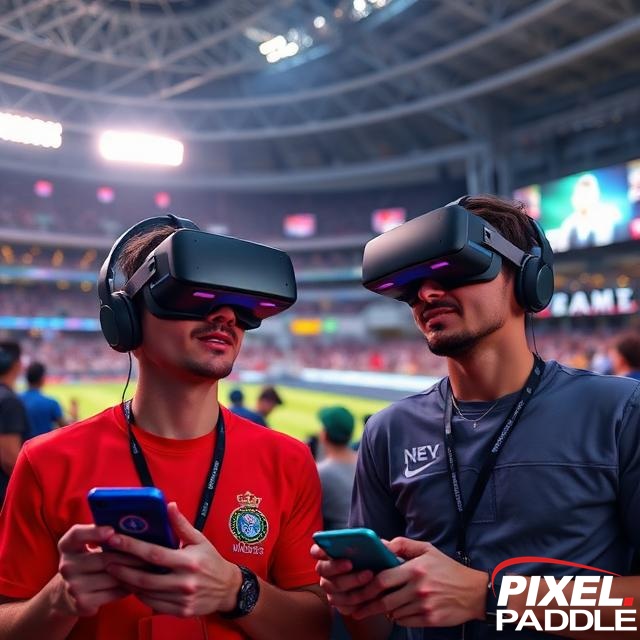
The world of sports is entering an unprecedented period of technological evolution, redefining how fans engage with their favorite teams, players, and events. The convergence of blockchain and virtual reality (VR) technologies in the sports metaverse is at the forefront of this transformation. These innovations are enabling immersive, transparent, and community-driven experiences that transcend geographic and physical boundaries. As we move into 2024 and 2025, this convergence is poised to reshape fan interaction, offering new models of engagement and monetization. Sports Metaverse: A Digital Revolution The sports metaverse represents a vibrant, interconnected digital realm where fans, players, teams, and brands interact through immersive experiences. This ecosystem integrates blockchain and VR to create a seamless virtual environment that enhances engagement, accessibility, and personalization. By 2025, the sports metaverse is expected to become a multi-billion-dollar industry, revolutionizing traditional models of sports fandom. Blockchain: The Foundation of Trust and Ownership Blockchain technology serves as the backbone of the sports metaverse, providing decentralized solutions that ensure transparency, security, and ownership. Key developments include: 1. Fan Tokens and Governance: Blockchain enables the creation of fan tokens, which give supporters voting rights on team-related decisions, such as kit design, matchday experiences, or sponsorship choices. Platforms like Socios.com have partnered with leading sports organizations, including FC Barcelona and Paris Saint-Germain, to issue fan tokens, generating over $200 million in revenue by 2024. 2. NFTs and Digital Memorabilia: Non-fungible tokens (NFTs) authenticate and tokenize digital collectibles, allowing fans to acquire unique items such as player cards, match highlights, or championship memorabilia. The global sports NFT market, valued at $3.5 billion in 2024, is expected to exceed $6 billion by 2025, driven by growing adoption among leagues and teams. 3. Smart Contracts: Smart contracts automate transactions and ensure transparency in ticketing, player contracts, and sponsorship agreementsThis removes the middleman, reduces costs, and reduces the risk of fraud. 4. Reward Systems: Blockchain-based rewards incentivize fan engagement by distributing tokens or NFTs for participating in virtual events, completing challenges, or contributing to community-driven initiatives. Virtual Reality: Immersive Fan Experiences VR technology enhances fan engagement by creating interactive, life-like environments. Its applications in the sports metaverse include: 1. Virtual stadiums: Fans can virtually “attend” matches, enjoying 360-degree views and live commentary. By 2025, major leagues such as the NFL and English Premier League are expected to integrate VR match streaming, expanding their reach to a global audience. 2. Athlete interaction: VR facilitates direct engagement with athletes through virtual meet-and-greets, training simulations, and Q&A sessions. These interactions strengthen emotional bonds and foster long-term loyalty. 3. Social and community spaces: VR-powered fan zones allow supporters to virtually gather, participate in post-match discussions, and celebrate wins, fostering a sense of community. 4. E-Sports Integration: The growing overlap between traditional sports and e-sports is amplified by VR, which provides fans with experiences and opportunities to compete in virtual tournaments. By 2024, the industry is expected to generate $2 billion in revenue for the global sports economy. Convergence of Blockchain and VR: A Paradigm Shift The combination of blockchain and VR in the sports metaverse opens up unique avenues for innovation. It provides synergies: • Authenticity and Ownership: Blockchain ensures the authenticity of digital assets, while VR provides an immersive platform to interact with these assets in real-time. • Interoperable Ecosystems: Blockchain enables seamless asset transfers and data sharing across metaverse platforms, ensuring that fans can use their tokens, NFTs, and collectibles across multiple environments. • Monetization Opportunities: Fans can earn by trading NFTs, participating in virtual events, or creating content, unlocking new revenue streams in the metaverse. • Inclusive Access: The sports metaverse democratizes access to premium experiences, closing the gap for fans in remote or underserved areas. Key Trends and Forecasts for 2024-2025. 1. Market Valuation: The global sports technology market is forecast to reach $50 billion by 2025, with blockchain and VR a key part of this growth. 2. Fan Token Adoption: More than 80% of major sports organizations are expected to implement blockchain-based fan tokens by 2025, increasing participatory governance. 3. NFT Revenue Growth: The sports NFT market is on the rise. It is poised to generate over $7 billion in revenue by 2025. Or, reflecting the growing interest in digital collectibles. 4. VR Accessibility: Advances in hardware affordability and 5G connectivity are expected to drive VR adoption among sports fans by 35% by 2025. Addressing Challenges and Unlocking Potential While the convergence of blockchain and VR in the sports metaverse is transformative, several challenges must be addressed: • Technical Barriers: High prices for VR devices and inconsistent internet infrastructure hinder widespread adoption. Strategic partnerships and subsidies can mitigate these barriers. • Regulatory Uncertainty: Data privacy, intellectual property rights, and taxation of digital assets pose regulatory challenges. Partnerships between governments and industry are essential for success. • User Education: Educating fans and organizations about blockchain and VR technologies is essential for maximum adoption and engagement. However, these challenges provide opportunities for innovation and collaboration, ensuring that the sports metaverse evolves into a sustainable and inclusive ecosystem. A Vision for the Future As blockchain and VR technologies converge, the sports metaverse is poised to redefine fan engagement, delivering immersive, equitable, and participatory experiences. By embracing these advancements, fans, players, and organizations can collectively shape the future of sports. The next decade promises to be transformative, with the sports metaverse serving as a central hub for innovation and community building. PixelPaddle has taken a highly innovative approach. How? PixelPaddle has taken an insightful and transformative approach to revolutionizing fan engagement in the sports metaverse. By seamlessly combining blockchain and virtual reality (VR) technologies, the platform reshapes how fans interact with their favorite teams and players, creating an immersive, secure, and inclusive ecosystem. Through the Virtual Stadium, PixelPaddle enables fans worldwide to experience live sporting events in an interactive and life-like digital environment, breaking down geographical barriers. Their adoption of blockchain ensures authenticity and transparency, offering fans verifiable ownership of digital collectibles, such as NFTs that represent iconic moments and memorabilia. PixelPaddle’s VR-powered Fan Zones
From the Field to Blockchain: How Virtual Reality and Blockchain Can Enhance Coaching and Training
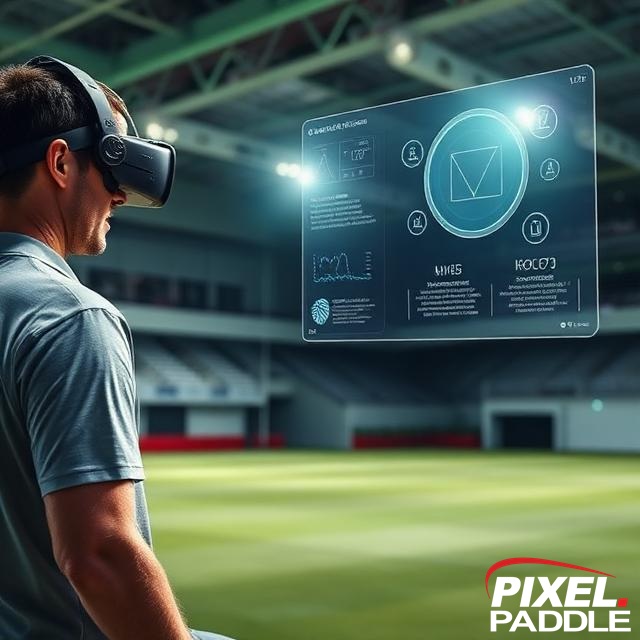
The convergence of virtual reality (VR) and blockchain technologies is ushering in a new era for sports coaching and training, offering transformative solutions for athletes, coaches, and teams. These technologies not only provide innovative tools to enhance performance, but also provide significant opportunities for data transparency, player development, and collaboration. The synergy between VR and blockchain could revolutionize how coaches approach training, improve player performance, and ensure accountability and fairness in professional sports. This article examines the profound impact of VR and blockchain on sports coaching and training. The Role of Virtual Reality in Coaching and Training Virtual reality has evolved significantly over the past decade, transforming from a niche technology used primarily in entertainment to a mainstream tool in professional sports training and coaching. By giving athletes, the ability to engage in immersive simulations, VR offers several key benefits that traditional training methods cannot match. 1. Immersive Training Environment One of the most notable benefits of VR in sports coaching is its ability to create realistic and controlled training environments. Coaches can design VR simulations that mimic specific game situations, allowing players to practice their skills without having to take the field. Whether a basketball player is improving their shooting technique or a football player is mastering tactical positioning, VR enables players to perform repeated drills in an immersive, risk-free environment. By 2024, VR is expected to be used in over 30% of high-performance training programs across sports, with a focus on improving athletes’ decision-making and skill execution in real-world scenarios. 2. Injury prevention and rehabilitation VR plays an integral role in injury prevention and rehabilitation, offering athletes a safe way to practice and recover without the risks associated with physical strain. Through VR, athletes can simulate movements that mimic those performed in their respective sports, allowing them to engage in low-impact training while recovering from injuries. For example, a soccer player recovering from an ankle injury can use VR to train their upper body and perform light leg exercises to maintain conditioning. In 2024, a growing number of sports teams are integrating VR rehabilitation programs into their recovery routines, helping athletes return to peak performance faster and with more confidence. 3. Mental Conditioning In addition to physical training, VR is increasingly being used for mental conditioning. By immersing athletes in high-pressure virtual scenarios, VR enables them to train their cognitive skills, improve focus, and build mental flexibility. For example, a tennis player can practice serving in a virtual environment that simulates match conditions, helping them stay calm and focused during crucial moments. As sports psychology becomes a prominent field, VR is proving to be a valuable tool in enhancing athletes’ mental toughness and decision-making skills, with new studies showing that VR-based cognitive training can lead to a 20 percent improvement in reaction time and situational awareness. 4. Remote Coaching The ability to conduct remote coaching through VR has emerged as a significant advancement, especially in a world where geographical barriers often hinder training. Using VR platforms, coaches can monitor and guide athletes in real-time, even when they are miles apart. This level of connectivity ensures that athletes receive continuous feedback and support, promoting a consistent and uninterrupted training experience. By 2024, an increasing number of elite sports teams will be adopting VR coaching systems, enabling global teams to collaborate and train with each other regardless of location. Blockchain: Empowering Trust and Transparency in Coaching and Training Blockchain, the technology that powers cryptocurrencies, has the potential to transform how data is managed and stored in the sports industry. By leveraging blockchain’s decentralization and immutability, sports organizations can ensure the transparency, accuracy, and security of their data, from performance metrics to contractual agreements. 1. Data Security and Ownership One of the most pressing concerns in sports today is the security and ownership of athlete performance data. Blockchain addresses these concerns by providing a secure, transparent platform for storing sensitive data. By storing performance metrics like speed, agility, and heart rate on the blockchain, athletes and coaches can be assured that the data is tamper-proof. Additionally, blockchain allows athletes to retain ownership of their data, giving them complete control over how and when it is shared. A new era, where players can choose to monetize their performance data or give access to specific stakeholders. 2. Tokenized Performance Metrics Blockchain’s ability to tokenize data opens up new opportunities for players. In the context of training, this could mean that a player’s performance data is converted into a token, which can be used for various purposes within a decentralized platform. These tokens can be traded or sold, allowing players to financially benefit from their performance achievements. Furthermore, the transparent nature of blockchain ensures that these transactions are fair and verifiable, making it an ideal system for sports organizations looking to create new revenue streams based on player performance. 3. Smart Contracts for Coaching Contracts Smart contracts, a key feature of blockchain technology, can automate and enforce agreements between players, coaches, and teams. These self-executing contracts eliminate the need for intermediaries, ensuring that all conditions are automatically fulfilled when pre-defined conditions are met. In sports coaching, smart contracts can be used to manage performance-related bonuses, salary negotiations, and even training requirements. For example, if a player achieves a certain performance milestone, such as a measurable improvement in speed or accuracy, the smart contract can automatically trigger a reward or financial bonus. By 2024, more than 40% of top-tier sports organizations are expected to integrate smart contracts into their player and coaching contracts, reducing administrative overhead and ensuring greater transparency. 4. Decentralized Analytics Blockchain also enables the creation of decentralized analytics platforms, where sports teams can access open-source repositories of performance data. With the blockchain transformation, coaches and analysts can trust that the data they are working with is accurate and has not been tampered with. This opens up new opportunities for collaboration, as teams and coaches can share data in a secure environment, while players can also track their progress over time. Additionally,
Sponsorship in the Metaverse: How Blockchain Creates New Sponsorship Opportunities in Sports

Sponsorship has always been a cornerstone of sports marketing, enabling brands to build powerful connections with audiences through teams, events, and athletes. However, the emergence of the metaverse powered by blockchain technology is revolutionizing this landscape. Virtual worlds in the metaverse, enhanced by the transparency and decentralization of blockchain, offer immersive sponsorship platforms that were previously unimaginable. This paradigm shift creates unprecedented opportunities for brands, teams, and leagues. Understanding the Impact of the Metaverse on Sports Sponsorship The metaverse provides an interconnected ecosystem of virtual environments vibrant, interactive spaces that integrate gaming, social interactions, and economic activity. With blockchain integration, the metaverse redefines brand audience engagement in sports, offering sponsorship opportunities across virtual stadiums, eSports arenas, and fan-centric platforms. Key Market Insights Market Growth: By 2023, the global metaverse market is valued at approximately $65.5 billion and is projected to grow at a compound annual growth rate (CAGR) of 41.5%, reaching an estimated $936.6 billion by 2030. Demographic Trends: A 2023 survey revealed that 74% of Gen Z and Millennial sports fans actively engage with virtual environments, demonstrating a significant shift towards digital engagement. Blockchain’s Role in Revolutionary Sponsorship Blockchain is the metaverse’s backbone by facilitating secure, decentralized, and tokenized solutions. These capabilities are transforming traditional sponsorship models, and driving transparency, efficiency, and innovation. Tokenization: Redefining Sponsorship Assets Blockchain enables the tokenization of assets, creating secure, verifiable, and tradable digital representations of sponsorship rights. These tokens unlock opportunities such as: Example: In 2023, an eSports league partnered with a blockchain platform to issue sponsorship tokens, providing brands with prominent placements in virtual arenas. Smart Contracts: Ensuring Transparency and Automation Smart contracts, powered by blockchain, streamline sponsorship agreements by encoding terms into tamper-proof digital contracts. These agreements ensure: Automated execution: Payments and activations are automatically made upon meeting performance benchmarks, such as fan engagement metrics. Improved trust: Immutable records prevent disputes and fraud. Case study: In 2023, a leading soccer club used blockchain-based smart contracts to automate sponsorship payments, reducing administrative costs by 30%. Early sponsorship opportunities in the sports metaverse Virtual branding opportunities Brands can establish their presence in the metaverse by sponsoring digital spaces, assets, and events, including: Gamified fan engagement Blockchain-powered sponsorships support gamified campaigns that incentivize participation. Fans can earn NFTs or tokens by completing virtual challenges. Example: In 2024, a global sportswear brand launched a virtual running event, in which participants were rewarded with a limited-edition NFT collection for achieving milestones. NFTs and digital collectibles Non-fungible tokens (NFTs) have become powerful tools for sponsorship, enabling brands and teams to offer: Market Insights: The sports-themed NFT market generated $2 billion in revenue in 2023, reflecting consumers’ growing interest in digital collectibles. Naming Rights and Virtual Properties Sponsorship in the metaverse extends to naming rights for virtual assets, including: For Brands Global Reach: The metaverse eliminates geographical boundaries, enabling brands to connect with global audiences. Precision Marketing: Advanced analytics provide granular insights, allowing for tailored sponsorship strategies. Innovation Leadership: Sponsorships in the metaverse position brands as forward-thinking innovators. For Sports Entities 1. Diversified Revenue Streams: Tokenized sponsorships and NFTs create new monetization opportunities. 2. Deep Fan Engagement: Immersive sponsorship models build stronger connections with fans. 3. Enhanced Partnerships: Blockchain-based agreements foster trust and transparency with sponsors. Overcoming the Challenges High Entry Costs Developing a presence in the metaverse can be resource intensive. However, blockchain’s decentralized infrastructure and partnerships with technology providers reduce these costs. Regulatory Complexities Blockchain: Esports activities face an evolving regulatory landscape. Sports organizations should collaborate with compatible platforms and consult with legal experts to navigate the regulations effectively. Technical Barriers Blockchain adoption requires technical expertise. Partnering with experienced blockchain service providers simplifies integration and ensures a seamless deployment. The Road Ahead: Transforming Sports Sponsorship The integration of blockchain and the metaverse is poised to redefine sports sponsorship. As the technologies mature, stakeholders can expect: Industry Outlook By 2028, virtual sponsorships in the sports metaverse are estimated to generate over $15 billion annually, driven by advances in blockchain technology and the growing appeal of immersive environments. PixelPaddle is at the forefront of transforming sports sponsorship in the metaverse, delivering innovative blockchain-powered solutions that open up new opportunities for brands and sports organizations. With expertise in virtual environments and cutting-edge technologies, we empower our partners to redefine engagement and achieve unprecedented success.
Legal and Regulatory Issues Related to Blockchain in the Sports Metaverse

The inclusion of distributed ledger technology within the sports metaverse has opened up innovative avenues for audience interaction, financial growth, and streamlined operations. However, the rapid adoption of blockchain in this domain comes with a complex landscape of legal and regulatory challenges. Addressing these issues is critical to ensuring blockchain-based initiatives’ sustainability, legality, and global scalability in the sports metaverse. 1. Intellectual Property Rights (IPR) The sports metaverse relies heavily on digital assets such as virtual stadiums, player NFTs (non-fungible tokens), and tokenized collectibles. These assets often include intellectual property related to team logos, player likenesses, and branded content. • Challenges: Unauthorized use of intellectual property in NFTs or virtual spaces can lead to disputes. Determining ownership and licensing rights for these digital assets is particularly challenging in jurisdictions where intellectual property laws regarding virtual goods are unclear. • Possible solutions: Regulatory frameworks should clarify copyright and trademark laws in digital spaces. Sports organizations should adopt robust licensing agreements to protect their brands while offering secure and transparent smart contracts for digital asset transactions. 2. Securities Law Compliance Many blockchain-based initiatives in the sports metaverse involve issuing utility tokens or NFTs, which may inadvertently fall under securities regulations. • Challenges: If tokens are considered securities, they must comply with complex disclosure requirements and investor protections, which vary significantly across jurisdictions such as the US, EU, and Asia. Non-compliance with these regulatory standards can lead to substantial financial penalties or the termination of projects. • Possible solutions: Sports entities should conduct a thorough legal analysis of their tokenomics model to ensure compliance with securities laws. Engaging with legal experts familiar with blockchain regulations can help determine whether tokens are securities or utility-based assets. 3. Customer identity verification and financial integrity regulations The pseudonymous nature of blockchain has raised concerns about its potential use for money laundering and other illegal activities. AML and KYC compliance are significant for platforms offering transactions or tokenized rewards in the sports metaverse. • Challenges: Decentralized platforms often struggle to implement robust KYC procedures without compromising user privacy. Additionally, global sports metaverse platforms face the challenge of complying with diverse AML regulations across multiple jurisdictions. Potential solutions: Integrating advanced blockchain analytics tools to detect suspicious transactions can increase transparency. Platforms should also implement tiered KYC verification processes to balance regulatory compliance with user experience. 4. Data Privacy and Security The sports metaverse collects extensive user data, including athlete verification, gaming preferences, and biometric details for transaction records. Mishandling such information can result in legal penalties and damage to the organization’s reputation. • Challenges: Laws such as the EU’s General Data Protection Regulation (GDPR) and the California Consumer Privacy Act (CCPA) impose strict requirements on data storage, processing, and user consent. Meeting these requirements while leveraging the volatility of blockchain can be difficult. • Possible solutions: Platforms should adopt privacy-preserving technologies such as zero-knowledge proofs and ensure that user data stored on the blockchain complies with local and international data protection laws. 5. Jurisdictional ambiguity Blockchain-based sports metaverses often operate across borders, complicating compliance with diverse legal systems. • Challenges: Different countries have different stances on blockchain technology, ranging from outright bans to active regulatory support. For example, while countries like Switzerland have created a blockchain-friendly environment, others impose restrictions. • Possible solutions: Sports organizations and metaverse platforms should adopt a jurisdiction-specific approach, working closely with local legal experts to ensure compliance. The development of global standards for blockchain regulation could also facilitate cross-border operations. 6. Taxing Digital Assets Income and transactions in the sports metaverse, such as NFT sales, token rewards, and sponsorship deals, are subject to tax. • Challenges: Tax authorities face difficulties in tracking and classifying digital assets, creating uncertainty for both users and platforms. Lack of clarity in tax laws can result in double taxation or unintentional non-compliance. • Possible solutions: Platforms should be required to report all transactions detailed records should be maintained and tax advisors should be consulted to ensure proper reporting. Governments should also establish clear guidelines for taxing digital assets to promote compliance. 7. Smart Contract Enforcement Smart contracts are central to blockchain transactions in the sports metaverse, automated contracts for sponsorships, player contracts, and token distribution. However, their legal enforcement is a gray area in many jurisdictions. • Challenges: In cases of disputes or malpractice, it is unclear how smart contracts are treated under existing contract laws. Traditional courts may lack the technical expertise to adjudicate blockchain-related disputes. • Possible solutions: Platforms should implement audit procedures to identify vulnerabilities in smart contracts before deployment. Additionally, the establishment of blockchain-specific arbitration institutions could provide specialized dispute resolution. 8. Consumer Protection In the sports metaverse, consumers often purchase virtual goods or participate in tokenized economies. Misleading claims or fraudulent schemes can undermine trust and lead to legal consequences. • Challenges: The lack of regulatory oversight over token issuance or NFT sales exposes consumers to potential risks such as carpet-pulling or counterfeit assets. • Possible solutions: Governments and industry players should collaborate to establish consumer protection guidelines for blockchain platforms. Educating consumers about the risks associated with blockchain investments is also essential to fostering trust. 9. Governance and Decentralization The decentralized nature of blockchain platforms often results in unclear governance structures, making it difficult to attribute legal liability. • Challenges: In the absence of a central authority, it is challenging to hold any single entity accountable for regulatory violations or platform failures. • Potential solutions: Platforms should adopt hybrid governance models that combine decentralized decision-making with centralized oversight for critical compliance functions. 10. Environmental considerations and sustainability While blockchain offers unique benefits for the sports metaverse, concerns about the environmental impact of proof-of-work (PoW) blockchains have drawn scrutiny. • Challenges: Sports organizations using energy-intensive blockchain networks may face criticism due to their carbon footprint, potentially resulting in reputational and regulatory risks. • Potential solutions: Energy-efficient blockchains, such as proof-of-stake (PoS) networks, and offsetting emissions through sustainable practices could mitigate environmental concerns. Discover how PixelPaddle is shaping the future of gaming in